Buying an R32 engine for sale for VW Enthusiasts
New vs Used Engine: Which Choice Is Best for You?
When contemplating whether to buy a fresh engine or choose a used one, various factors enter the equation. Budget considerations, intended use, and reliability are essential elements to consider. Each option presents distinct advantages and disadvantages. Understanding these nuances will aid in identifying which option aligns best with specific needs. What factors should be given priority to guarantee the right decision is made? The discussion continues as we explore the implications of each choice.
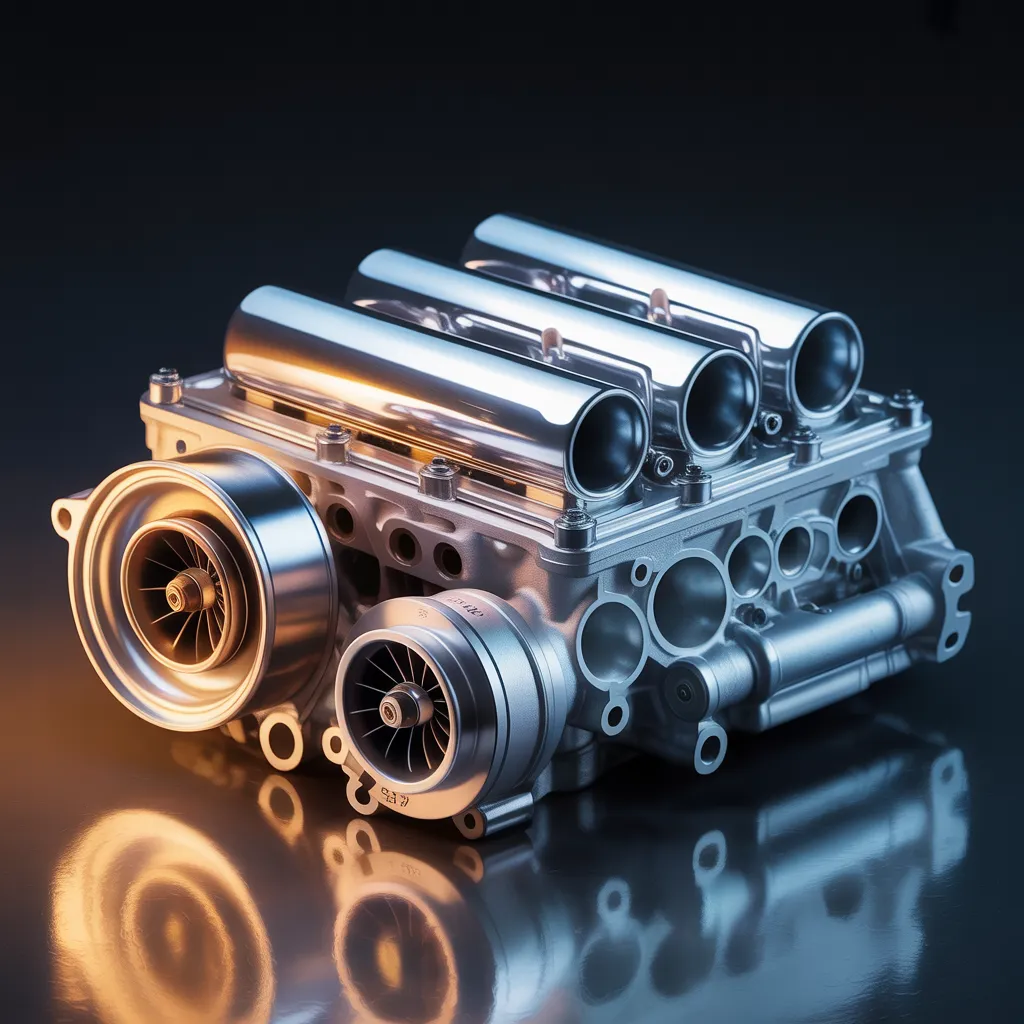
Grasping New versus Used Engines: A Decision Framework
When considering the purchase of an engine, individuals must address the complexities of choosing between a brand-new or pre-owned option. This decision framework involves several critical factors. First, buyers should analyze their budget, as new engines typically entail higher initial costs, whereas used options can present significant savings. Next, individuals must evaluate the intended use of the engine. For high-performance applications, a new engine might provide reliability and advanced technology, whereas a used engine may be sufficient for less demanding tasks.
Another consideration is warranty and support; new engines commonly come with manufacturer warranties, providing peace of mind. On the other hand, used engines may have limited or no warranties, introducing potential risks. Finally, buyers should review the engine's history, condition, and compatibility with their vehicle. By weighing these factors, individuals can make educated decisions that match their specific needs and financial circumstances.
Why a New Engine May Be Your Optimal Choice
Why opt for a new engine over a used one? Going with a new engine provides several compelling advantages. Above all, a new engine ensures reliability and performance, as it is engineered to the latest specifications and standards. This ensures maximum efficiency and longevity, minimizing the risk of unexpected breakdowns. Moreover, new engines often come with warranties, providing peace of mind and financial protection against potential defects or failures.
In addition, innovations in technology indicate that latest engines usually provide better fuel efficiency and minimized emissions, aligning with environmental concerns and potential economies at the pump. The customization choices available for new engines also permit buyers to identify features that best meet their preferences, elevating the overall driving experience.
Perks of Selecting a Second-Hand Engine
Opting for a used engine can provide considerable financial advantages, making it an appealing option for many vehicle owners. One of the main perks is the lower cost relative to new engines, which can often be unreasonably expensive. This affordability allows owners to assign funds to other maintenance or upgrades for their vehicles.
Furthermore, second-hand engines are usually widely obtainable, especially for aging or obsolete versions, ensuring that car owners can find suitable alternatives without substantial delays. Additionally, several used engines come with a track record of performance, which can offer insight into their dependability and durability.
Buying a used engine also encourages sustainability by reducing waste and promoting the reuse of existing materials. For those who emphasize both affordability and environmental responsibility, a used engine can be a sensible solution, offering a balance of performance and value without the financial pressure of new engine purchases.
New Compared to Used Engine Prices: What You Should Expect
Selecting between a new and used engine involves a thoughtful consideration of costs that can significantly impact a vehicle owner's budget. New engines typically carry a higher price tag, often ranging from several thousand to tens of thousands of dollars, depending on the make and model. This price often includes a warranty, which can deliver peace of mind for buyers. In contrast, used engines are generally more budget-friendly, with costs differing based on age, condition, and mileage. Prices can vary from a few hundred to a few thousand dollars, making them an appealing option for budget-conscious individuals. However, potential buyers should consider additional costs such as installation and any required modifications. Overall, understanding these cost differences can help vehicle owners make educated decisions that align with their financial situation and long-term vehicle plans.
Dependability and Efficiency: New Compared to Used Engines
When examining the reliability and performance of engines, new engines usually deliver substantial benefits over their used counterparts. New engines are built with the latest technology and materials, delivering enhanced efficiency, reduced emissions, and enhanced power output. They experience rigorous testing to meet modern standards, which frequently results in fewer mechanical issues and a longer lifespan.
By comparison, used engines often have wear and tear from prior use, possibly resulting in lower performance and reliability. Variables such as maintenance history, mileage, and age can considerably influence their condition. While some used engines may perform adequately, the risk of unforeseen failures and high-cost repairs is more significant.
Eventually, for those focusing on consistent performance and peace of mind, purchasing a new engine can be more beneficial. Used engines may resonate with budget-conscious buyers, but they carry intrinsic uncertainties concerning reliability and sustained performance.
Warranty and Support Considerations
While new engines usually come with comprehensive warranties that provide comprehensive coverage against defects and failures, used engines commonly lack such assurances, which can lead to unexpected expenses for buyers. New engine warranties typically cover labor and parts for a designated duration, offering peace of mind and financial protection. Buyers can expect help from manufacturers, including regular maintenance recommendations and access to customer service.
In contrast, used engines may have minimal warranty coverage, making purchasers liable for any repairs. This lack of coverage can complicate the purchasing decision, as potential buyers must evaluate the engine's background and state. Furthermore, the access to support may fluctuate, with some suppliers giving basic assistance. As a result, individuals considering their options must balance the benefits of solid warranty protection against the potential risks related to purchasing a pre-owned engine, evaluating both their budget and their readiness to handle unanticipated repairs.
Does One Option Offer Better Environmental Benefits?
What is the environmental impact comparison between new and used engines? Modern engines generally feature advanced technologies designed to enhance fuel efficiency and lower emissions. They generally meet tougher environmental regulations, producing lower carbon footprints. On the other hand, the manufacturing process of a new engine consumes significant resources and energy, resulting in environmental degradation.
In contrast, pre-owned engines, while potentially less efficient, promote sustainability by lengthening the lifespan of existing materials and decreasing waste. Their production has already contributed to environmental impact, making their use a more environmentally responsible option in some cases.
Ultimately, the environmental benefits of each option are based on various factors, including the specific engine models and their operational efficiencies. For people prioritizing sustainability, considering the lifecycle emissions and resource use of both new and used engines is crucial in making an informed decision.
Frequently Asked Questions
How Do I Find a Reliable Used Engine Seller?
To locate a credible used engine supplier, one should review online feedback, obtain recommendations from reliable mechanics, check warranties, and guarantee the seller provides complete engine history and compatibility information for specific vehicle specifications.
Is It Possible to Install a New Engine on My Own?
One can install a new engine independently, if you have proper material mechanical skills, required equipment, and knowledge of the vehicle. Nevertheless, it is recommended to seek professional help to ensure proper installation and eliminate potential complications.
What Are Frequent Issues With Pre-Owned Engines?
Frequent complications with pre-owned engines involve lubrication leaks, significant deterioration, timing belt malfunctions, and thermal issues. Furthermore, uncertain repair history and possible concealed issues can result in unforeseen operational issues after installation. Reliability may vary considerably.
How Long Do New Engines Typically Last?
Fresh engines usually last between 150,000 and 300,000 miles, subject to maintenance and driving conditions. Routine maintenance, component quality, and driving habits significantly influence their durability and performance over their lifetime.
Is Engine Financing Available?
Yes, various financing options are available for new engines, including bank loans, credit union financing, and dealer financing options. These choices allow customers to control expenses effectively while investing in a reliable engine for their vehicle.